TEAM-ELIZA
The ELIZA Archaeology Project is a collaboration of scholars, programmers, philosophers and artists, with diverse interests and many different voices.
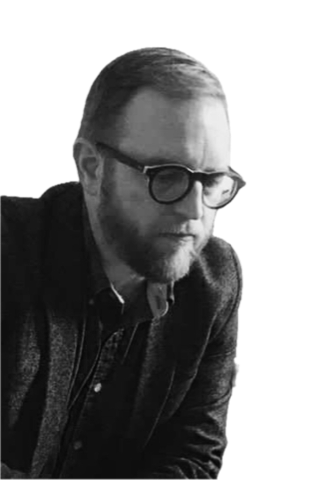
David M. Berry
Professor of Digital Humanities, University of Sussex
Writes widely on philosophy and technology, particularly computation, software and algorithms; recent work addresses explainability, human understanding, and the history of the university. Co-discovered the original ELIZA source in the MIT archive.
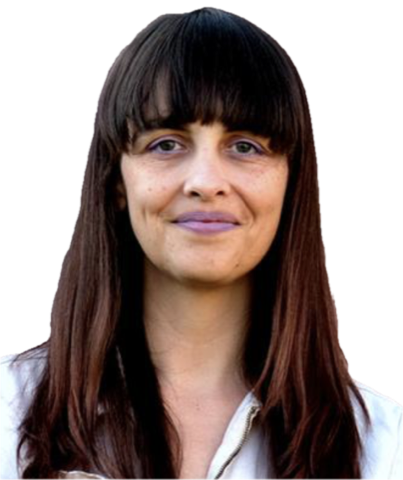
Sarah Ciston
Professor of Computational Thinking and Aesthetic Doing, Academy of Media Arts Cologne
Builds critical-creative tools to bring intersectional approaches to machine learning. Winner of the 2025 Ars Electronica STARTS Grand Prize. Author of A Critical Field Guide to Working with Machine Learning Datasets and founder of Code Collective.
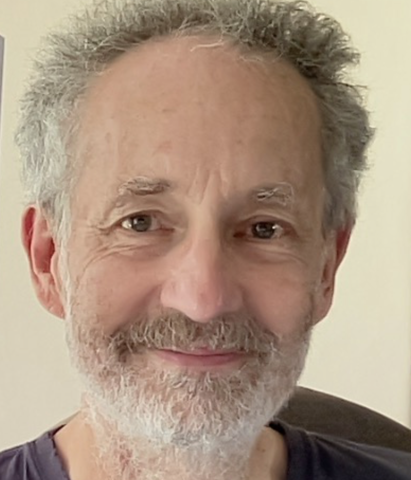
Anthony C. Hay
Programmer (formerly Digital Research, Novell); BSc, Imperial College London
Wrote a near-perfect clone of the original MAD-SLIP ELIZA in C++, first from Weizenbaum’s 1966 paper, later corrected against the recovered MIT source. Untangled the “certain counting mechanism” behind ELIZA’s memory.
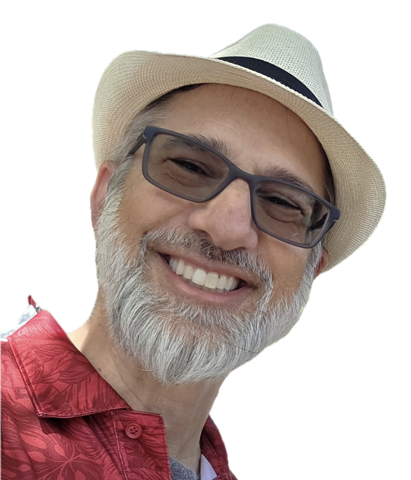
Mark C. Marino
Professor of Writing, USC; Director, Humanities and Critical Code Studies (HaCCS) Lab
Scholar of electronic literature; author of Critical Code Studies (MIT Press) and co-author of 10 PRINT CHR$(205.5+RND(1)). Director of Communication for the Electronic Literature Organization.
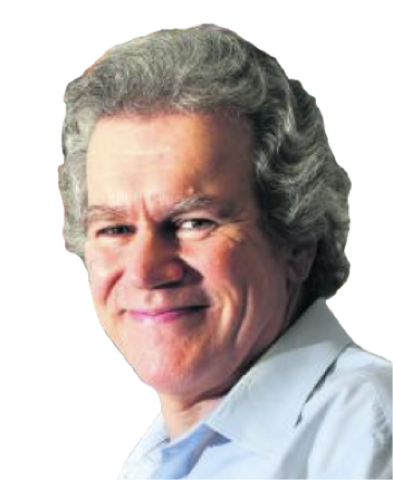
Peter Millican
Professor of Philosophy, Hertford College, Oxford
Founder of Oxford’s Computer Science and Philosophy degree (2012). Author of the Elizabeth chatbot (2000), built to engage humanities students with the mechanics of conversation.
Arthur I. Schwarz
Software developer and technical lead (aerospace, automotive); BS Physics, MS Computer Science
Developed gSlip, a public-domain implementation of SLIP, the list-processing library underpinning ELIZA. Interests include hashing algorithms and anomaly detection.
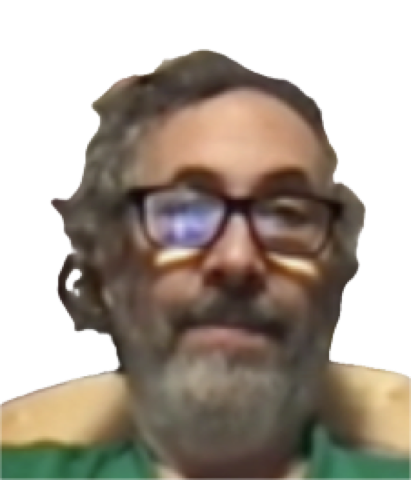
Jeff Shrager
Adjunct Professor, Symbolic Systems, Stanford; Chief Scientist, Blue Dot Change
Self-described “aging Lisp hacker” who rediscovered Weizenbaum’s original MAD-SLIP ELIZA in the MIT archive in 2021. Curator of ELIZAgen.org; co-author of 100+ AI publications and co-founder of three biomedical AI startups.
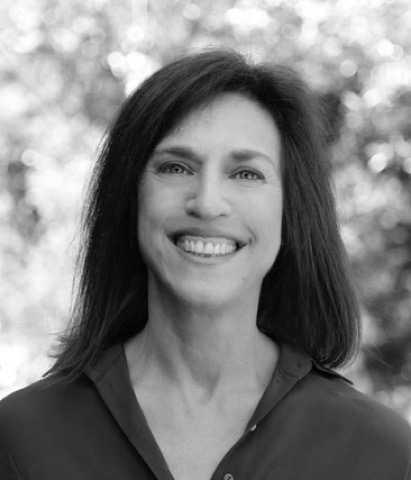
Peggy Weil
Adjunct Assistant Professor, USC School of Cinematic Arts
Multidisciplinary artist and a member of the Architecture Machine Group (precursor to the MIT Media Lab) in the early 1980s. She created MrMind / The Blurring Test in 1998, one of the first net-art chatbots. Her work has been exhibited internationally and addresses our digital, sociopolitical and perceptual landscapes.





With thanks to guest contributor Walt Bilofsky, to critical friends Claire Carroll and Rebecca Roach, to the MIT Libraries and Distinctive Collections, to the Charles Babbage Institute, and to Rupert Lane, Tom Van Vleck and Jerry Saltzer for help understanding CTSS.